
Microsoldering Tools and Equipment
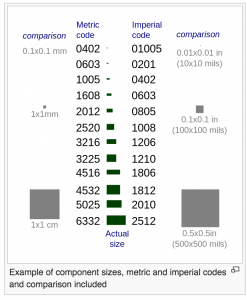
Microsoldering means working through a microscope on components so small the naked eye can't reliably see them. The 01005 package — the smallest surface-mount component used on modern logic boards — measures just 0.4 × 0.2 mm. Having the right tools isn't optional; it's the difference between a successful repair and a destroyed board.
Microscope
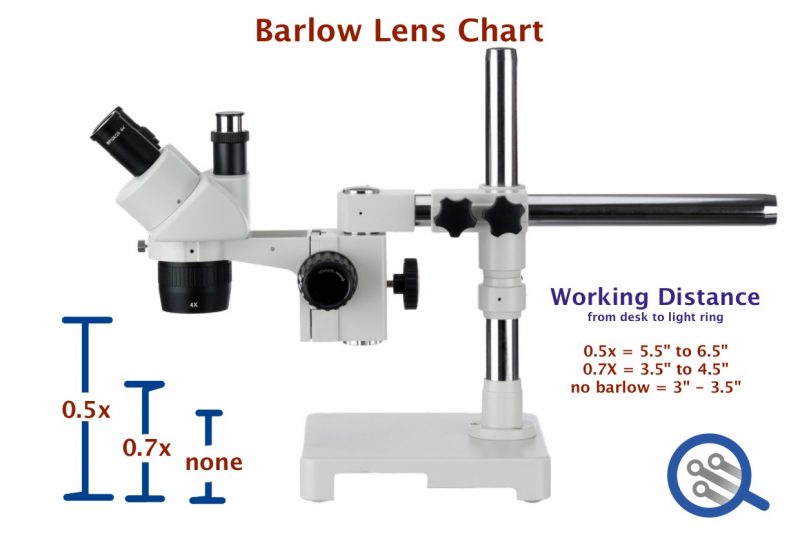
A quality stereo microscope is the single most important piece of equipment in your setup. Look for a trinocular model with a 0.7x–4.5x zoom objective and a 0.5x barlow lens to increase your working distance — you need room to maneuver soldering iron and tweezer tips between the lens and the board.
The barlow lens trades some magnification for working distance, which is critical when using a hot air station or iron close to the board. Without sufficient clearance, you'll constantly be refocusing or bumping the objective.
For recording repairs or live instruction, a trinocular port accepts a camera independently without affecting the optical path to your eyes.
Recommended

Rework Station
Use separate soldering iron and hot air stations rather than an all-in-one combo — dedicated units deliver better thermal performance and longer service life.
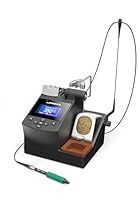
Soldering iron: JBC and Hakko are the professional standards. JBC irons heat almost instantly and maintain precise tip temperature under load, which minimizes thermal stress on surrounding components. ATTEN and Quick brand stations are capable budget alternatives.
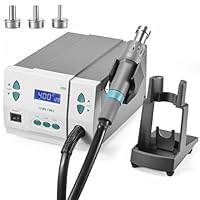
Hot air station: Essential for removing and reflowing BGA chips and connectors. Should reach 200–260°C with stable, adjustable airflow. Make sure the nozzle set includes sizes that fit iPhone and iPad connector footprints.
Recommended — Soldering Irons

Recommended — Hot Air Stations

Multimeter
A reliable multimeter is non-negotiable for diagnosing short circuits and tracing signal paths. Diode mode is the most-used function — it lets you compare board readings against known-good references to identify shorted or open components.
Pair any multimeter with super-fine probe tips. Standard probes are too large to land reliably on 01005 pads and tight test points. Fine-tip aftermarket probe sets are inexpensive and make a noticeable difference.
Recommended


Solder & Flux
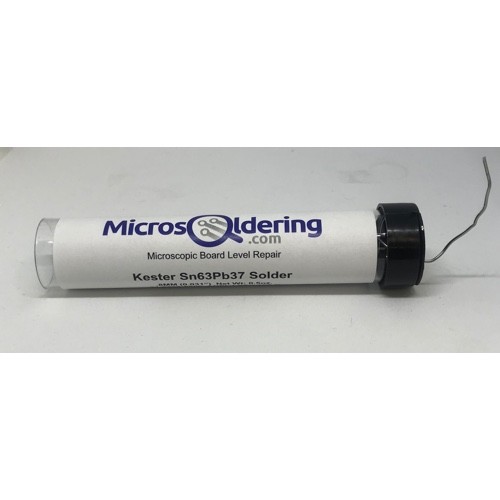
Kester 63/37 tin/lead solder at 0.031″ is the standard for board-level work. The 63/37 eutectic ratio means it transitions sharply from liquid to solid with no pasty phase — significantly reducing cold joints compared to non-eutectic formulas.
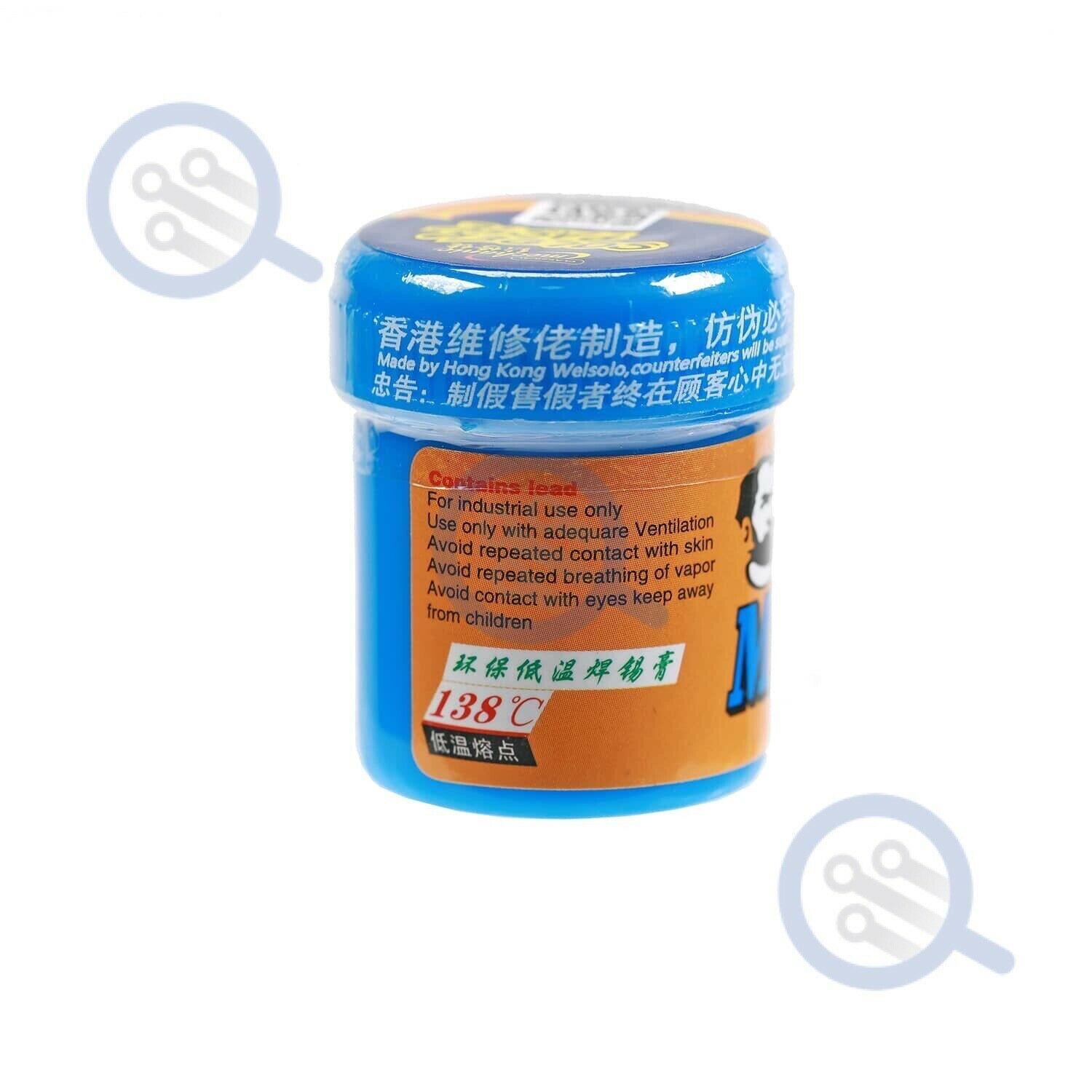
For tight spaces and BGA reballing, Mechanic low-melt solder paste (melts at 138°C) makes chip removal and pad preparation much easier by letting you work at temperatures that won't damage adjacent components.
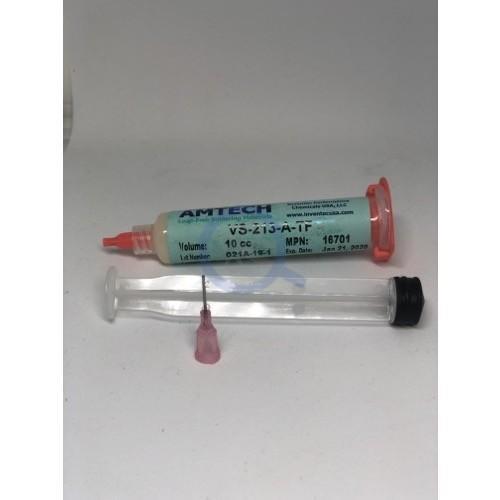
Amtech VS-213-A-TF tacky fluxis the current recommendation. The older NC-559-TF formula has been reformulated and is less reliable — use the VS-213-A-TF. One 10cc tube lasts a long time unless you're running high volume.
Recommended
PCB Holder, Power & Accessories
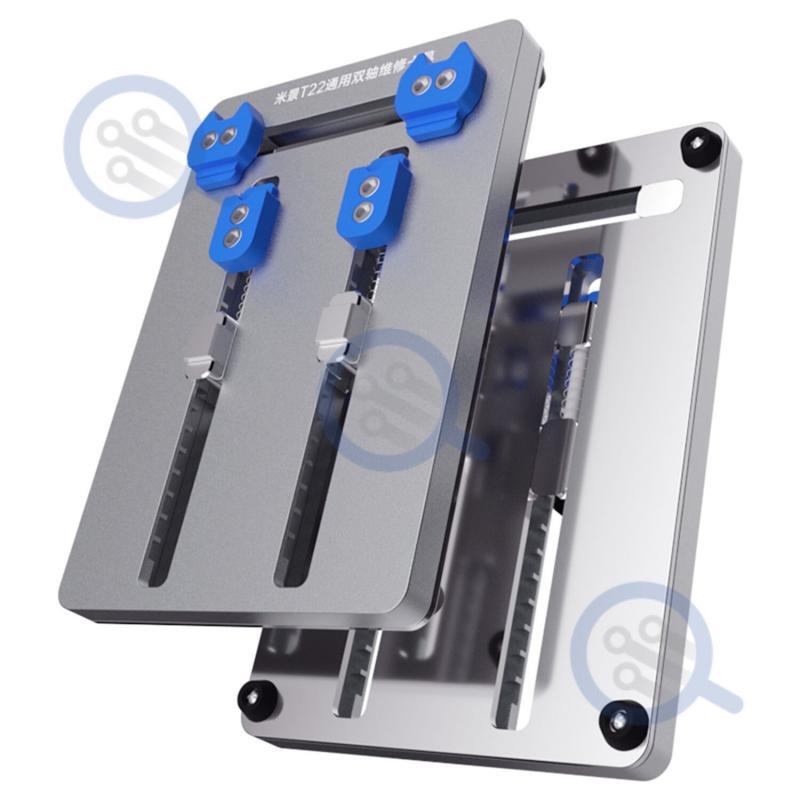
A PCB holder keeps the board stable and at the correct angle while you work. The Mijing T22 is a favorite for iPhone logic boards — its dual-shaft locking holds the board firmly without flexing.
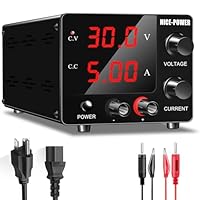
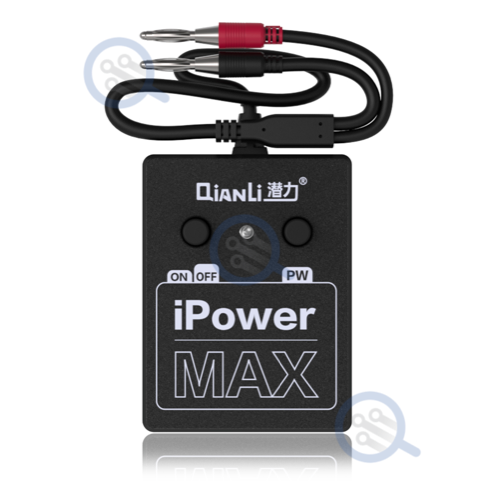
A DC bench power supply with current limiting lets you power a board directly for testing and watch the amperage draw to locate shorts. Pair it with a Qianli iPower cable to connect the supply directly to the iPhone logic board power rails without a battery.
Micro tweezers in curved and straight profiles give you the fine control needed to place and retrieve 01005 components under the microscope.
Recommended



Consumables & Supporting Materials
Isopropyl alcohol (99%+) is the standard for cleaning flux residue after repairs. Lower concentrations leave water — always use 99% or higher.
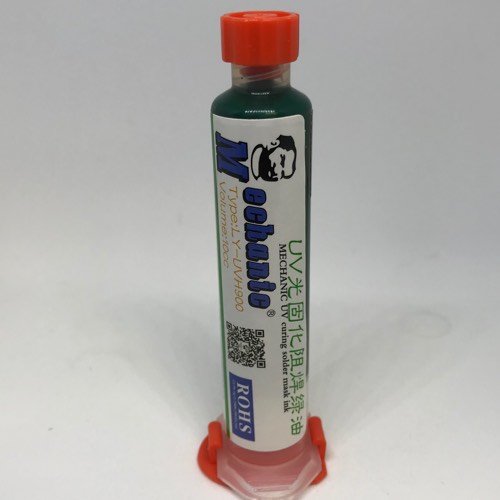
UV-curable solder mask protects exposed traces and pads after a jumper or pad repair. Apply, cure with a UV light, and the repair is sealed.
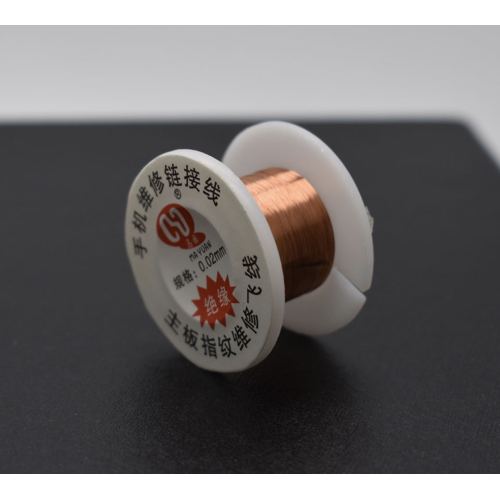
0.02mm copper jumper wirebridges lifted pads and severed traces. At this gauge it's thin enough to sit nearly flush on the board surface.
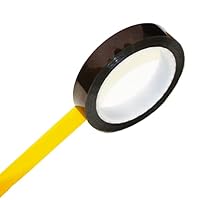
Kapton tapeis high-temperature polyimide tape for masking areas you don't want exposed to heat or flux during rework.
Recommended



A Note on Getting Started
Microsoldering is not an easy skill. Doing it without proper tools makes it harder still — and raises the risk of turning a repairable board into scrap. Prioritize the microscope and rework station above everything else; the rest can be built out as your skills develop.
If you'd rather leave the repair to an experienced technician, request a free quote and we'll take it from there.